
If you’re looking to dive into the exciting world of Forex trading, it’s crucial to equip yourself with the right knowledge. Trading in the foreign exchange market can be thrilling and potentially lucrative, but it also involves significant risks. Therefore, comprehensive Forex trading education is indispensable for both novice and experienced traders. At forex trading education exglobal.pk, we aim to provide you with valuable insights and resources that can help you on your trading journey.
Understanding Forex Trading
Forex, or foreign exchange, is the global marketplace where currencies are traded. Unlike stock markets, Forex operates 24 hours a day, five days a week, allowing traders to engage in currency trading from anywhere in the world. The primary goal is straightforward: buy low and sell high. However, mastering the nuances of Forex trading involves understanding market dynamics, economic indicators, and geopolitical factors that influence currency values.
Why Education is Essential
Forex trading is not just about making quick profits; it requires careful analysis, strategy development, and risk management. Educating yourself about the market can significantly improve your chances of success. Here are a few reasons why proper education is essential:
- Tactical Knowledge: Understanding different trading strategies, such as scalping, day trading, and swing trading, can help you choose the right approach for your trading style.
- Risk Management: Learning how to manage risk is vital. Proper education can help you set stop-loss orders and determine position sizes that protect your capital.
- Emotional Control: Forex trading can evoke strong emotions. An educational foundation can equip you with methods to maintain discipline and emotional control in the face of market volatility.
- Market Analysis: Education provides insights into fundamental and technical analysis, enabling you to make informed trading decisions based on market conditions.
Key Concepts in Forex Trading
Diving into Forex education requires familiarity with several key concepts:
Currency Pairs
Forex trading involves buying one currency while simultaneously selling another. Currencies are quoted in pairs, such as EUR/USD or GBP/JPY. The first currency in the pair is the base currency, and the second is the quote currency. Understanding how these pairs move in relation to each other is fundamental to successful trading.
Pips and Lots
A “pip” is the smallest price move that a currency pair can make based on market convention. Most currency pairs are priced to four decimal places, and a pip usually represents the fourth decimal place. “Lots” refer to the size of your trades. A standard lot is 100,000 units of currency, a mini lot is 10,000 units, and a micro lot is 1,000 units.
Leverage
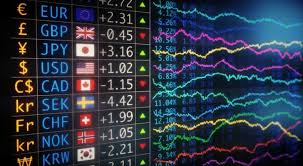
One of the attractive features of Forex trading is the ability to use leverage, which allows you to control large positions with a relatively small amount of capital. Although leverage can amplify profits, it also increases the risk of significant losses, making it crucial to understand how to use it wisely.
Technical vs. Fundamental Analysis
Successful traders often utilize both technical and fundamental analysis. Technical analysis involves using price charts and statistical measures to forecast future movements based on past data. In contrast, fundamental analysis focuses on economic data, news releases, and geopolitical events that impact currency values.
Developing a Trading Strategy
Having a solid trading strategy is essential for success in Forex. Here are key steps to consider when developing your strategy:
- Define Your Goals: Determine what you want to achieve through trading. Are you seeking supplemental income, or do you want to make it a full-time career?
- Choose Your Trading Style: Identify whether you prefer short-term trading or long-term investing and tailor your strategy accordingly.
- Identify Key Indicators: Select the indicators and tools you’ll use for your analysis. These could include moving averages, RSI, MACD, etc.
- Backtesting: Test your strategy on historical data before applying it in real-time trading. This can help you understand its effectiveness.
Effective Risk Management
Effective risk management is vital to protecting your trading capital. Here are some strategies to consider:
- Use Stop-Loss Orders: Implementing stop-loss orders can limit your losses by automatically closing your position when it reaches a specified price.
- Limit Your Leverage: While leverage can boost profits, it should be used judiciously to avoid large losses. A good rule of thumb is to use leverage that fits your risk tolerance.
- Diversify Your Portfolio: Avoid putting all your capital into one trade; diversifying across multiple pairs can mitigate risk.
Continual Learning and Adaptation
The forex market is always evolving. Staying updated with economic news, regulatory changes, and market trends is crucial. Engaging in webinars, online courses, and trading forums can enhance your knowledge and help you adapt to changing market conditions.
Conclusion
Forex trading education is an ongoing journey that requires dedication, patience, and a willingness to learn. By mastering the concepts outlined in this article, you’ll be better equipped to navigate the complexities of the Forex market. Remember, the goal is not only to make profits but also to develop a sustainable trading practice that can withstand the market’s challenges over time.
To further enhance your understanding of Forex trading, consider visiting exglobal.pk for valuable resources and tools that can support your trading endeavors.
0 Comments